If you’ve ever been in a situation where the power cuts out during a weekend event at a local park, a construction site late at night, or even a hospital’s emergency wing, chances are you’ve heard generators. But not all generators are the same—especially the ones people actually tolerate being around. If you’ve ever noticed a generator that doesn’t rattle every window within 100 feet or make a sound so loud it gives you a headache after 10 minutes, you’ve probably encountered a silent type generator set. As a supplier of these machines, I get tons of questions about what makes them different from regular generators, why they matter, and why people choose them for everything from small backyards to large-scale industrial jobs. Let’s break it down in plain terms, no fancy jargon that makes your eyes glaze over. Silent Type Generator Set
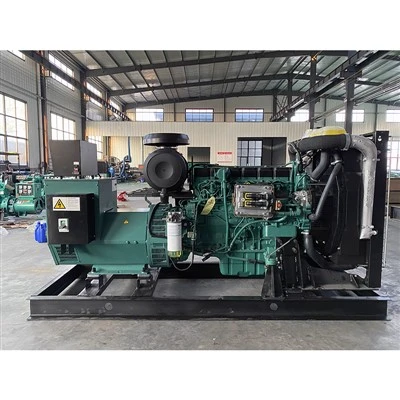
First, let’s start with the basics: a silent type generator set, often shortened to “silent gen set” in our line of work, is essentially a standard diesel or gas generator wrapped in a heavy, insulated enclosure that cuts down on noise. Regular open-frame generators (the kind you might see at a hardware store for portable power) can hit 70 to 85 decibels at full load—for context, that’s about as loud as a lawn mower or heavy traffic on a busy street. A silent gen set? We typically get them down to 60 to 65 decibels, which is roughly the noise level of a normal conversation or a refrigerator humming in your kitchen. That’s not just a small difference—you can sit right next to one while it’s running and barely notice it, no ear plugs required.
But here’s the thing: the “silent” part isn’t just hype. It’s not like covering a regular generator with a tarp to muffle the sound (that’s a fire hazard, by the way, and doesn’t do much to cut down engine noise anyway). The enclosures we build for silent gen sets are designed with multiple layers of sound-dampening material—think acoustic foam, heavy-gauge steel panels, and even a gap between the generator’s engine and the enclosure to absorb vibration. We also line the exhaust system with mufflers specific to industrial generators, not the cheap ones you’d find on a car, and add vented grilles that let air flow in and out for cooling without letting sound escape. If you’ve ever seen one, it looks like a small, boxy metal shed on wheels or a concrete pad, not the loud, open frames you’re used to. That’s intentional—we want them to blend into the background, not stand out like a sore thumb in a residential neighborhood or a fancy event space.
Now, let’s talk about when people actually use these things, because it’s not just for quiet vibes. I’ve been supplying silent gen sets for over a decade now, and the most common jobs I see are split between residential backup power and commercial or construction use. For homes that live in areas with frequent storms—like the Gulf Coast or parts of the Midwest where hurricanes and tornados knock out power all the time—silent gen sets are a game changer. A lot of neighborhoods have noise ordinances that restrict loud machinery after 7 PM or within 50 feet of a home. A regular generator would tick those ordinances right off, and your neighbor would be knocking on your door before the power even cuts out. A silent gen set? You can run it all night while your sump pump, fridge, and TVs stay on, and no one will even call the city. That’s a huge relief for people who rely on backup power to keep their family safe and comfortable during outages.
Then there’s the construction side. If you’ve ever driven past a construction site at 8 PM and heard a roar so loud it echoes for blocks, that’s a regular generator. But many cities have strict noise limits for construction, especially in residential areas, so contractors switch to silent gen sets. They can run wiring, operate power tools, or keep site lights on after hours without disturbing nearby residents, which means they don’t get fined or shut down mid-job. We also supply a lot of these for events—music festivals, outdoor weddings, food truck rallies, even movie nights in local parks. Imagine a wedding where the power for the DJ and string lights cuts out, and instead of a loud generator ruining the mood, no one even notices it’s running. That’s exactly what silent gen sets do.
But let’s get real—silent gen sets aren’t for everyone, and that’s fine. If you just need power for a weekend camping trip or to run a portable fridge on a job site for a few hours, a regular portable generator is cheaper and easier. The extra insulation and heavy enclosure add to the cost, so it doesn’t make sense for small, short-term uses. But when you need power that’s consistent, reliable, and doesn’t cause a nuisance, they’re worth every penny. Another big thing people ask me about is fuel efficiency. Because silent gen sets are built to run at a steady load (not the on-off cycling that small portable generators do), they’re actually more fuel efficient too. A standard 20 kW silent gen set might run 8 to 10 hours on a single tank of diesel at half load, while a comparable open-frame generator would use 20% more fuel in the same time. That adds up over weeks or months of use, especially for long-term backup power.
I also get a lot of questions about durability, because generators are investments, not something you replace every year. The enclosures on silent gen sets aren’t just for sound—they protect the internal parts from rain, dust, debris, and even small animals that can cause damage. If you have a generator sitting outside, unprotected, a rainstorm can rust the engine, or a rat can chew through wiring and leave you with a dead machine when you need it most. The enclosure on a silent gen set is sealed to keep out the elements, so your generator lasts longer and requires less maintenance. That’s a huge plus for people who rely on their generator for emergency backup—you don’t want to find out it’s broken when the power goes out during a storm.
Now, let’s clear up a common misconception: a lot of people think “silent” means completely noiseless. It doesn’t. Even the best silent gen sets will make a faint hum when they’re running, especially at full load. That’s normal, and it’s not a defect. The goal is to get it to a level where it’s not disruptive, not completely silent. If you’re standing 10 feet away, you can hear it, but you can still carry a conversation without raising your voice, and it won’t show up on a noise level test for city ordinances. That’s the sweet spot we aim for as a supplier.
Another thing to note is that silent gen sets come in all sizes, too. We have small ones that power a 2,000 square foot home for a few thousand dollars, all the way up to large industrial units that power entire office buildings, hospitals, or even small towns. The key is matching the size of the generator to what you need it for—you don’t want a 50 kW unit for a tiny home, just like you don’t want a 5 kW unit to power a hospital’s emergency room. A good supplier will help you figure out the right size, tell you about fuel options (diesel is the most common, but we also have gas and even natural gas models), and walk you through maintenance and installation.
Speaking of installation, a lot of people try to install their own generators, and that’s a mistake. Silent gen sets are heavy—most of the smaller ones weigh 500 pounds or more, and the big ones are thousands of pounds. You can’t just set them on a patch of grass; they need a level, solid surface, usually a concrete pad or a heavy-duty metal frame. Also, you have to connect them to your home or building’s electrical system properly, which requires a transfer switch to backfeed power correctly and keep utility workers safe. If you mess that up, you can damage your electronics, cause a fire, or even hurt someone. As a supplier, we work with local technicians to make sure every gen set we sell is installed right, so you don’t have to worry about that part.
Maintenance is another big one. A generator that’s just sitting in a garage or outside for 11 months out of the year won’t work when you need it if you don’t maintain it. We recommend testing your silent gen set once a month for 15 to 20 minutes, to make sure it starts, runs, and doesn’t have any issues. You also need to change the oil, replace the air filter, and check the spark plugs regularly, just like a car. The enclosure might make it easy to forget about maintenance, but we always remind customers—we’re not just selling a machine, we’re making sure it works when they need it.
Let me tell you a quick story that sums up why we do this. A few years back, a customer of ours bought a 22 kW silent gen set for his home in a suburban neighborhood outside Dallas. A month later, a huge ice storm hit, and power was out for 3 days. He told me he ran his gen set the whole time, no complaints from neighbors, and his pipes didn’t freeze, his food didn’t spoil, and his kid’s asthma inhaler and oxygen machine stayed powered. If he’d had a regular generator, the HOA would have fined him before the first night was over, and he would have ended up going to a hotel. That’s the difference silent gen sets make—they don’t just provide power, they keep normal life normal when the grid goes down.
Now, if you’re thinking about getting a silent type generator set, don’t just go for the cheapest option. A lot of no-name brands sell “silent” generators that use cheap insulation and thin panels, so they don’t actually cut noise that well, and they break down after a year or two. As a supplier, I stand behind the units we sell—we use heavy-duty materials, test every gen set before it leaves our warehouse, and offer support if you have issues. Whether you need a small one for your home, a medium one for a construction site, or a large one for a business, we can help you pick the right fit.

If you’re interested in learning more, or want to get a quote for a silent type generator set, feel free to reach out. We can walk you through your power needs, answer any questions you have about installation, maintenance, and fuel options, and help you find a unit that works for your budget and your space. Don’t wait until the next power outage—having a reliable, quiet backup generator can save you a lot of stress, and even money, in the long run.
Silent Type Generator Set References
- Noise Control for Portable Generators, Occupational Safety and Health Administration (OSHA)
- Generator Noise Reduction Technologies, International Journal of Industrial Acoustics
- Residential Backup Power Usage Trends, U.S. Energy Information Administration (EIA)
- Construction Site Noise Ordinance Guidelines, National Federation of the Blind (NFB)
Weifang Bofa Power Equipment Co., Ltd.
We’re well-known as one of the best silent type generator set suppliers in China. With a professional production team, we are able to meet the needs of the majority of our customers. Please feel free to buy cheap silent type generator set for sale here from our factory. For price consultation, contact us.
Address: Lianhuachi Village, Fangcheng Street Office, Fangzi District, Weifang City, Shandong Province.
E-mail: sales@wfbofapower.com
WebSite: https://www.wfbfgenset.com/
