Can temporary buildings be used in art studios? This is a question that has intrigued many artists, art enthusiasts, and even business owners in the art industry. As a supplier of temporary buildings, I’ve had the privilege of exploring this topic in depth and witnessing firsthand the potential of these structures in the realm of art. Temporary Building

The Rise of Temporary Buildings
In recent years, temporary buildings have gained significant popularity across various industries. Their versatility, cost – effectiveness, and rapid installation make them an attractive option for a wide range of applications. From construction sites to event venues, these buildings have proven their worth time and time again.
Temporary buildings are designed to be flexible. They can be easily assembled and disassembled, allowing for quick relocation or expansion as needed. This flexibility is a game – changer in many industries, and the art world is no exception.
Advantages of Using Temporary Buildings in Art Studios
1. Cost – Efficiency
One of the most significant advantages of using temporary buildings in art studios is cost – efficiency. Traditional brick – and – mortar buildings can be extremely expensive to construct, especially for small – scale art studios or emerging artists. Temporary buildings, on the other hand, offer a much more affordable alternative.
The initial investment in a temporary building is significantly lower than that of a permanent structure. Additionally, the cost of maintenance is also relatively low. There’s no need for extensive foundation work, and repairs can often be carried out quickly and inexpensively. This allows artists to allocate more of their budget towards art supplies, equipment, and professional development.
2. Customization
Art is all about self – expression, and the studio environment should reflect that. Temporary buildings offer a high degree of customization. They can be designed to fit the specific needs and aesthetic preferences of the artist.
Artists can choose the size, shape, and layout of their studio. For example, a painter might require a large, open – plan space with plenty of natural light, while a sculptor might need a studio with high ceilings and strong ventilation. Temporary buildings can be tailored to meet these unique requirements. Moreover, the exterior of the building can be painted or decorated to create a visually appealing space that aligns with the artist’s brand or style.
3. Mobility
The ability to move a studio is a valuable asset in the art world. Artists may need to relocate due to changes in personal circumstances, new opportunities, or to be closer to art galleries and events. Temporary buildings are easy to transport and reinstall in a new location.
This mobility also allows artists to participate in pop – up art shows or temporary exhibitions. They can set up their studio on – site, providing a unique and immersive experience for visitors. This kind of flexibility can significantly enhance an artist’s visibility and networking opportunities.
4. Quick Installation
Time is of the essence, especially for artists who are eager to start working on their projects. Temporary buildings can be installed much faster than traditional buildings. In some cases, a temporary art studio can be set up in a matter of days, compared to months or even years for a permanent structure.
This rapid installation means that artists can minimize downtime and get back to creating art as soon as possible. It also allows for last – minute changes or expansions to the studio space, which is particularly useful when hosting workshops or group exhibitions.
Challenges and Solutions
1. Insulation and Climate Control
One of the main challenges of using temporary buildings is ensuring proper insulation and climate control. Art materials, especially paintings and sculptures, can be sensitive to temperature and humidity changes. Without adequate insulation, the studio environment can become too hot in the summer and too cold in the winter, potentially damaging the art.
However, modern temporary buildings come with advanced insulation materials and climate control systems. Insulating panels can be added to the walls and roof of the building to regulate temperature. Additionally, air – conditioning and heating units can be installed to maintain a stable climate inside the studio.
2. Structural Integrity
Some people may be concerned about the structural integrity of temporary buildings, especially in areas prone to extreme weather conditions such as high winds or heavy snow. But today’s temporary buildings are engineered to meet strict safety standards.
They are made from high – quality materials such as steel frames and durable fabric covers or polycarbonate panels. These materials are designed to withstand harsh weather conditions. Moreover, proper installation techniques, including secure anchoring to the ground, can further enhance the stability of the building.
Real – World Examples
There are numerous examples of successful art studios using temporary buildings. In urban areas, where space is limited and expensive, many artists have turned to temporary structures as a practical solution.
For instance, in some cities, artists have set up temporary studios in industrial areas or on the outskirts. These studios not only provide a space for creating art but also serve as a platform for community engagement. Artists often host open – studio events, where the public can visit, interact with the artists, and learn about the creative process.
In the art festival scene, temporary art studios are also becoming increasingly popular. Artists can set up their studios at festival sites, allowing them to showcase their work and create new pieces in real – time. This kind of immersive experience has been well – received by festival – goers and has helped to promote the art and the artists.
The Future of Temporary Art Studios
As the art world continues to evolve, the use of temporary buildings in art studios is likely to become even more widespread. The demand for flexible, cost – effective, and sustainable studio spaces is on the rise, and temporary buildings are well – positioned to meet these needs.
In addition, technological advancements will further improve the functionality and performance of temporary buildings. For example, new materials may offer better insulation, durability, and environmental friendliness. Smart technology can also be integrated into the buildings to provide improved climate control, lighting, and security.
Contact for Purchase and Consultation
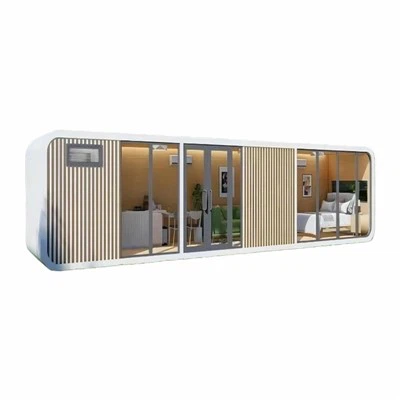
If you’re an artist, art studio owner, or someone interested in the art industry, and you’re considering using a temporary building for your art studio, I’d love to hear from you. Our team of experts is ready to provide you with detailed information about our products, including different sizes, designs, and customization options. We can also offer advice on installation, maintenance, and any other concerns you may have.
Apple Cabin Whether you’re just starting out or looking to upgrade your existing studio, our temporary buildings can provide the perfect solution. Don’t hesitate to reach out to us to discuss your specific requirements and explore the possibilities of creating a unique and functional art studio with our temporary buildings.
References
- "Building Design and Construction Handbook" by Edward Allen and Joseph Iano.
- "The Economics of the Arts" by William J. Baumol and William G. Bowen.
- Industry reports on temporary building trends and applications.
Shandong Qidi Anzhu International Trade Co., Ltd.
As one of the most professional temporary building manufacturers and suppliers in China, our products have good reputation in the market. Please rest assured to wholesale high quality temporary building for sale here from our factory. We also accept customized orders.
Address: Room 704, Zhexin Plaza, Dongfeng Street No.7666, Kuiwen District, Weifang City, Shandong Province
E-mail: wendy@eco-modulehouse.com
WebSite: https://www.eco-modulehouse.com/
