Floating fountains are an excellent addition to various water bodies, including lakes, ponds, and swimming pools. They not only enhance the aesthetic appeal but also play a crucial role in water aeration. As a trusted floating fountain supplier, I’ve been involved in numerous projects and have gathered significant insights into optimizing their performance. In this blog, I’ll share some practical tips and strategies to help you improve the performance of your floating fountain. Floating Fountain
I. Understanding the Basics of Floating Fountains
Before delving into ways to enhance performance, it’s essential to understand the fundamental components and working principles of floating fountains. A typical floating fountain consists of a floating platform, a water pump, and various nozzles. The pump draws water from the surrounding water body and forces it through the nozzles, creating the beautiful water patterns we associate with fountains.
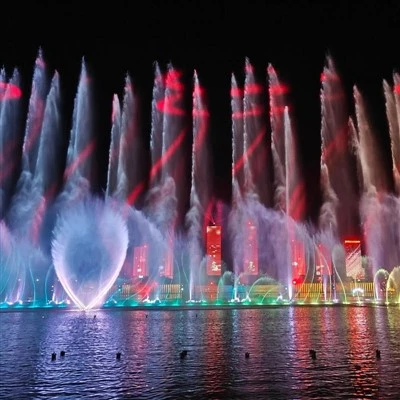
The floating platform is designed to keep the pump and other components afloat and stable in the water. It also protects the internal components from water damage. The water pump is the heart of the fountain, and its power determines the height and spread of the water jets. Different types of nozzles can be used to create a variety of water displays, such as single jets, multi – jets, and fan – shaped sprays.
II. Selecting the Right Location
The location of your floating fountain can significantly impact its performance. Here are some factors to consider when choosing a spot:
- Water Depth: The water should be deep enough to allow the pump to operate efficiently. Generally, a minimum water depth of 3 – 4 feet is recommended. If the water is too shallow, the pump may draw in air, which can lead to reduced performance and potential damage to the pump.
- Water Quality: Avoid placing the fountain in areas with high levels of debris, sediment, or algae. These can clog the pump and nozzles, reducing water flow and affecting the overall appearance of the fountain. If necessary, install a pre – filter or a skimmer to remove large particles from the water before it enters the pump.
- Wind Conditions: Strong winds can distort the water patterns of the fountain and reduce the height of the water jets. Try to position the fountain in a sheltered area or use windbreaks to minimize the impact of wind. Additionally, consider the direction of the prevailing wind when designing the fountain layout to ensure that the water patterns are not blown towards unwanted areas.
III. Proper Installation and Maintenance
- Installation: Follow the manufacturer’s instructions carefully during the installation process. Ensure that the floating platform is level and securely anchored to prevent it from drifting or tipping over. Connect the pump and nozzles correctly and check for any leaks. It’s also important to properly ground the electrical components to ensure safety.
- Regular Cleaning: Regular cleaning is essential to maintain the performance of the floating fountain. Clean the pump and nozzles at least once a month to remove any debris, sediment, or mineral deposits. You can use a soft brush or a mild cleaning solution to clean the components. Also, inspect the floating platform for any damage or signs of wear and tear and repair or replace it as needed.
- Lubrication: Some pumps may require lubrication to ensure smooth operation. Refer to the manufacturer’s manual for specific lubrication requirements and intervals. Using the wrong type of lubricant can damage the pump, so it’s important to use the recommended product.
- Inspection of Electrical Components: Check the electrical connections, wiring, and control systems regularly for any signs of damage or corrosion. Faulty electrical components can not only affect the performance of the fountain but also pose a safety hazard. If you notice any issues, have them repaired or replaced by a qualified electrician.
IV. Optimizing Pump and Nozzle Performance
- Pump Selection: The pump is the most critical component of the floating fountain, and choosing the right one is crucial for optimal performance. Consider the size of the water body, the desired height and spread of the water jets, and the power requirements of the fountain when selecting a pump. A pump that is too small may not be able to produce the desired water display, while a pump that is too large can be energy – inefficient and may cause excessive wear and tear on the components.
- Nozzle Design: The type and design of the nozzles used in the fountain can have a significant impact on its performance. There are various types of nozzles available, each creating a different water pattern. Experiment with different nozzles to find the ones that best suit your needs and preferences. Additionally, ensure that the nozzles are properly aligned and adjusted to ensure a uniform water display.
- Water Flow Regulation: Most floating fountains come with a flow control valve that allows you to adjust the water flow rate. By regulating the water flow, you can optimize the performance of the fountain and save energy. For example, during periods of low water pressure or high wind, you can reduce the water flow to maintain a more stable water pattern.
V. Energy Efficiency Considerations
- Use of Energy – Efficient Pumps: Energy – efficient pumps can significantly reduce the operating costs of the floating fountain. Look for pumps that are designed with advanced motor technology and have a high energy efficiency rating. These pumps consume less electricity while still providing the same level of performance.
- Timer and Sensor Installation: Installing a timer or a sensor on the fountain can help you control its operation and save energy. A timer allows you to set specific on – and off – times for the fountain, ensuring that it only operates when needed. A sensor, such as a photocell or a motion detector, can automatically turn the fountain on or off based on the ambient light or the presence of people.
VI. Upgrading and Customization
- Component Upgrades: Over time, technology advances, and newer, more efficient components become available. Consider upgrading the pump, nozzles, or control systems of your floating fountain to improve its performance. Upgrading to a more powerful pump can increase the height and spread of the water jets, while upgrading to a more advanced control system can provide more precise control over the fountain’s operation.
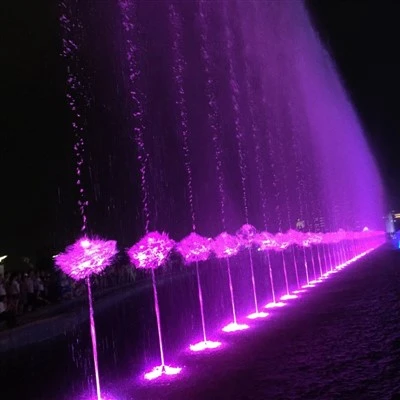
- Customization: Customizing the floating fountain to suit your specific needs and preferences can also enhance its performance. You can choose from a variety of water patterns, colors, and lighting options to create a unique and eye – catching display. Additionally, you can incorporate features such as remote control operation or synchronized music to make the fountain more engaging.
VII. Contact for Purchase and Consultation
Floating Fountain If you’re interested in improving the performance of your existing floating fountain or purchasing a new one, I’m here to help. As a professional floating fountain supplier, I have extensive experience in providing high – quality products and expert advice. Whether you need assistance with selecting the right components, optimizing the installation, or troubleshooting performance issues, I can offer personalized solutions to meet your requirements. Feel free to reach out to me to start a discussion about your floating fountain needs.
References
- Smith, J. (2018). The Art of Water Features: Design and Installation. Water Feature Press.
- Brown, A. (2020). Energy – Efficient Water Pumping Systems. Green Energy Publications.
- Johnson, K. (2019). Maintenance Guide for Floating Fountains. Fountain Care Books.
Hebei Mingchuang Landscape Engineering Co., Ltd.
As one of the most professional floating fountain manufacturers in China, we have years of experience in fountain design and installation. Please feel free to buy durable floating fountain made in China here from our factory. Welcome to view our website for more information.
Address: Dongyangzhuang Village, Beidiantou Township, Tang County, Baoding City, Hebei Province
E-mail: 1094267503@qq.com
WebSite: https://www.mcfountains.com/
