As a seasoned supplier in the field of conveying lines, I’ve witnessed firsthand the transformative impact these systems bring to diverse industries. Over the years, I’ve had the privilege of working closely with numerous clients, understanding their unique requirements, and shaping solutions that not only meet but exceed their expectations. In this blog, I’ll delve into the numerous advantages of using a conveying line, drawing from real – world experiences and industry knowledge. Conveying Line

Enhanced Efficiency
One of the most significant advantages of using a conveying line is the drastic improvement in efficiency. In traditional manufacturing and distribution processes, manual handling of materials can be time – consuming and labor – intensive. With a conveying line, products can move continuously from one stage of production or distribution to the next without the need for constant human intervention.
For instance, in a food processing plant, a conveying line can transport raw ingredients from storage areas to various processing stations, such as slicing, cooking, and packaging. This seamless movement of materials reduces idle time, as workers no longer have to wait for the next batch of products to be manually transported. In fact, studies have shown that companies implementing conveying lines can experience an increase in productivity by up to 50%.
Automated conveying systems can also be programmed to operate at optimal speeds, ensuring a consistent flow of materials. This consistency is crucial in maintaining production schedules and meeting delivery deadlines. Whether it’s a high – volume order or a tight production cycle, a well – designed conveying line can handle the workload efficiently.
Increased Productivity
Closely related to efficiency, using a conveying line leads to a remarkable boost in productivity. By automating the material handling process, employees can be reallocated to more value – added tasks. Instead of spending hours moving products from one place to another, workers can focus on quality control, machine operation, and other activities that contribute directly to the product’s value.
In an automotive assembly plant, for example, a conveying line moves car parts through different assembly stations. Workers at each station can then concentrate on assembling and installing components with precision, knowing that the parts will be delivered to them in a timely manner. This division of labor not only speeds up the assembly process but also improves the overall quality of the vehicles produced.
Moreover, conveying lines can operate 24/7 with minimal downtime. Unlike human workers who need breaks, these systems can work continuously, especially when equipped with proper maintenance and monitoring. This round – the – clock operation allows businesses to maximize their production capacity and keep up with the high demands of the market.
Improved Safety
Safety is a top priority in any industrial environment. Conveying lines play a vital role in enhancing workplace safety. Manual handling of heavy or bulky materials poses a significant risk of injury to workers, including back strains, sprains, and even more serious accidents.
A conveying line eliminates the need for physical lifting and moving of materials, reducing the likelihood of such injuries. Workers are less exposed to hazardous conditions, such as sharp edges, hot surfaces, or dangerous chemicals associated with the products being transported. Additionally, modern conveying systems are equipped with safety features like emergency stop buttons, sensors that detect obstructions, and protective guards.
In a chemical manufacturing plant, for example, a conveying line can transport hazardous chemicals in a sealed and controlled environment. This protects workers from potential exposure to harmful substances. These safety features not only safeguard the well – being of employees but also help businesses avoid costly workers’ compensation claims and potential legal liabilities.
Precise Material Placement
Conveying lines offer a high level of precision in material placement. In manufacturing processes where accuracy is crucial, such as electronics assembly or pharmaceutical production, the ability to precisely position components and products is essential.
Conveying systems can be customized to move products at specific speeds and intervals. They can also be integrated with robotic systems and other automated equipment to ensure that materials are placed exactly where they need to be. In electronics manufacturing, for example, a conveying line can carefully transport delicate circuit boards to pick – and – place machines, which then precisely install electronic components on the boards.
This precision reduces the chances of errors and defects in the final product. It also improves the overall quality of production, leading to higher customer satisfaction and fewer returns or rework.
Space Utilization
In today’s industrial landscape, space is often a limited and valuable resource. Conveying lines are an excellent solution for optimizing space utilization. They can be designed to fit into various layouts, whether it’s a narrow corridor or a large open – plan factory.
Overhead conveying systems, for example, use the vertical space in a facility. This means that valuable floor space can be used for other purposes, such as additional production equipment or storage. In a warehouse, an overhead conveyor can transport goods between different levels, eliminating the need for large forklift aisles and reducing the overall footprint of the material handling system.
In addition, modern conveying lines can be configured in complex layouts, such as loops or zig – zags, to navigate around existing structures or workstations. This flexibility allows businesses to make the most of their available space without compromising on the efficiency of the material handling process.
Cost – Effectiveness
When considering the long – term investment, using a conveying line is a highly cost – effective solution. Although the initial installation cost of a conveying system can be substantial, the savings in labor, increased productivity, and reduced damage to products can quickly offset the upfront expenses.
As mentioned earlier, by automating material handling, companies can reduce their labor costs. Fewer workers are needed for manual transportation, and the remaining workforce can be utilized more effectively. Additionally, the increased productivity from a conveying line means that more products can be produced in less time, leading to higher revenues.
Furthermore, because conveying lines offer precise material transportation, the risk of product damage during handling is significantly reduced. This minimizes the losses associated with damaged goods and improves the overall profitability of the business.
Flexibility and Customization
Conveying lines are incredibly flexible and can be customized to meet the specific needs of different industries and applications. Whether it’s a small – scale operation or a large – scale mass production facility, there is a conveying solution available.
The type of conveyor can be selected based on the nature of the products being transported. For example, belt conveyors are ideal for transporting lightweight and irregularly shaped items, while roller conveyors are better suited for heavier and more rigid materials. Conveyor speed, width, and length can also be adjusted according to the production requirements.
Moreover, conveying lines can be easily integrated with existing production and warehouse systems. They can work in conjunction with robotics, sorting equipment, and other automated technologies to create a seamless and efficient production or distribution process.
Quality Control
Conveying lines can play a crucial role in quality control. As products move along the conveyor, they can pass through various inspection stations. Workers or automated inspection systems can check for defects, measure dimensions, and verify product quality at different stages of the process.
In a bottling plant, for example, a conveying line can transport bottles through a machine vision system that checks for proper fill levels, damaged labels, and other quality issues. Any defective products can then be automatically removed from the line, ensuring that only high – quality products reach the market. This proactive approach to quality control helps businesses maintain a good reputation and meet strict industry standards.
Conclusion
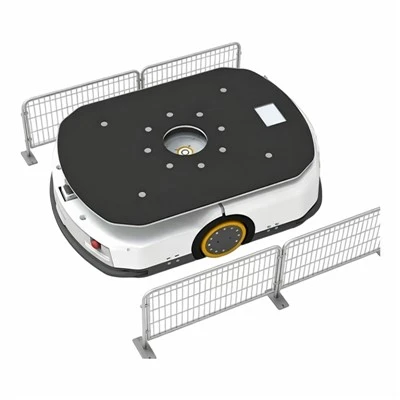
In conclusion, the advantages of using a conveying line are numerous and far – reaching. From enhanced efficiency and productivity to improved safety, precise material placement, space utilization, cost – effectiveness, flexibility, and quality control, these systems offer a comprehensive solution for modern industrial material handling needs.
Autonomous Mobile Robot If you’re looking to optimize your production or distribution process, a conveying line could be the key to unlocking new levels of success. As a leading supplier in this field, I’m dedicated to providing you with the best – in – class conveying solutions tailored to your specific requirements. Whether you’re starting a new project or looking to upgrade your existing system, I invite you to reach out and discuss your needs with me. Let’s work together to take your business to the next level.
References
- Smith, J. (2020). "Automation in Industrial Material Handling". Industrial Engineering Journal, 15(2), 45 – 62.
- Brown, R. (2019). "The Benefits of Conveyor Systems in Manufacturing". Manufacturing Today Magazine, 22(3), 78 – 85.
- Johnson, A. (2021). "Safety Considerations in Conveyor Design and Operation". Workplace Safety Review, 9(4), 12 – 25.
Shenzhen Ginnee Intelligent Warehousing Robotics Co., Ltd.
As one of the most professional conveying line suppliers in China, we’re featured by quality products and low price. Please rest assured to wholesale durable conveying line in stock here and get quotation from our factory. We also accept customized orders.
Address: Room101, No.162 JunXin Road, Niuhu Community, Guanlan Strect, Longhua District, Shenzhen, Guangdong Province, China.
E-mail: huangyongmei@szginnee.com
WebSite: https://www.ginneerobotics.com/
