When it comes to enhancing the aesthetics and functionality of furniture, laser edge banding has emerged as a revolutionary solution in recent years. As a supplier deeply involved in the world of laser edge banding, I often encounter a crucial question from customers: "Is laser edge banding resistant to fading?" In this blog, I’ll delve into the science behind laser edge banding, examine its fading resistance, and share insights based on our experience in the industry. Laser Edge Banding
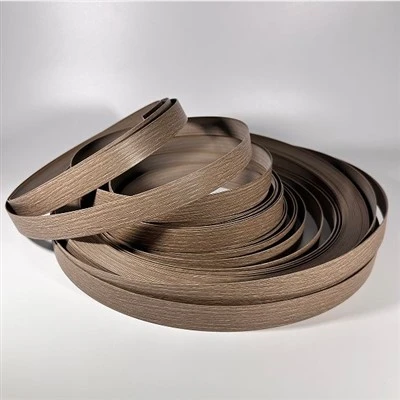
What is Laser Edge Banding?
Before discussing its fading resistance, it’s essential to understand what laser edge banding is. Laser edge banding is a cutting – edge technology in the furniture manufacturing industry. It involves using a special type of edge band that contains a reactive layer. When the edge band is applied to the furniture panel, a laser beam activates this reactive layer, creating a seamless bond between the edge band and the panel. This process results in a high – quality, smooth, and almost invisible joint, significantly enhancing the overall appearance of the furniture.
The Science of Fading in Edge Banding
Fading is a common concern in any surface treatment, including edge banding. Several factors can contribute to the fading of edge banding over time:
- UV Radiation: Ultraviolet (UV) rays from the sun are one of the primary culprits. They can break down the chemical bonds in the pigments and polymers used in the edge banding, causing color changes and fading.
- Oxidation: Exposure to oxygen in the air can also lead to oxidation of the surface materials. This can result in a dulling of the color and a loss of the original luster.
- Chemical Exposure: Contact with various chemicals, such as cleaning agents, solvents, or food spills, can cause chemical reactions that affect the color stability of the edge banding.
Fading Resistance of Laser Edge Banding
Now, let’s address the main question: Is laser edge banding resistant to fading? The answer is generally yes, and here’s why:
- High – Quality Materials: Laser edge banding is typically made from high – grade polymers and pigments. These materials are carefully selected for their colorfastness. The polymers used have good resistance to UV radiation and oxidation, which helps to maintain the color integrity over time.
- Seamless Bonding: The laser – activated bonding process creates a tight and seamless connection between the edge band and the panel. This not only provides a more aesthetically pleasing finish but also helps to protect the edge band from external factors. The seamless bond reduces the chances of moisture, dirt, and chemicals penetrating the edge band, which can contribute to fading.
- Advanced Coating Technologies: Many laser edge bandings are treated with advanced coatings that enhance their resistance to various environmental factors. These coatings can act as a protective barrier against UV rays, oxidation, and chemical exposure.
Real – World Experience and Testing
In our experience as a supplier, we have received positive feedback from customers regarding the fading resistance of our laser edge banding. Many furniture manufacturers have reported that products with our laser edge banding maintain their color and appearance even after extended use.
To further validate our claims, we have conducted extensive testing. We exposed samples of our laser edge banding to accelerated UV radiation, simulating years of sunlight exposure in a short period. After the testing, we found that the color change was minimal compared to traditional edge banding materials. Additionally, we tested the samples’ resistance to common household chemicals, and the results showed that the laser edge banding remained relatively unaffected.
Applications and Their Impact on Fading
The fading resistance of laser edge banding can also be influenced by its application.
- Indoor Applications: In most indoor furniture applications, such as kitchen cabinets, wardrobes, and office furniture, the exposure to UV radiation is limited. As a result, the risk of fading is relatively low. The main concerns in indoor settings are usually chemical exposure from cleaning products or food spills. Our laser edge banding has proven to be highly resistant in these scenarios, maintaining its color and appearance even with regular cleaning.
- Outdoor Applications: While laser edge banding is primarily designed for indoor use, there are some cases where it may be used outdoors or in areas with high sunlight exposure. In these situations, it is crucial to choose a laser edge banding with enhanced UV protection. We offer specialized products for such applications that are formulated to withstand more intense sunlight and environmental factors.
Comparing Laser Edge Banding with Traditional Edge Banding
When compared to traditional edge banding methods, such as adhesive – based edge banding, laser edge banding has significant advantages in terms of fading resistance.
- Adhesive Vulnerability: Traditional adhesive – based edge banding may have gaps or weak spots in the bonding area. These gaps can allow moisture, dirt, and chemicals to penetrate the edge band, increasing the risk of fading and degradation. In contrast, the seamless bond of laser edge banding provides better protection against these factors.
- Material Quality: Laser edge banding often uses higher – quality materials and more advanced manufacturing processes compared to traditional edge banding. This results in better color stability and resistance to fading over time.
Maintenance Tips for Long – Lasting Color
To ensure that your furniture with laser edge banding maintains its color and appearance for as long as possible, here are some maintenance tips:
- Regular Cleaning: Use a mild, non – abrasive cleaning agent and a soft cloth to clean the edge banding regularly. Avoid using harsh chemicals or abrasive sponges that can damage the surface.
- Reduce Sun Exposure: If possible, place furniture away from direct sunlight or use curtains or blinds to block UV rays. This can significantly reduce the risk of fading.
- Prompt Spill Cleanup: Clean up any spills immediately to prevent them from staining or reacting with the edge banding.
Conclusion: The Fading – Resistant Choice

In conclusion, laser edge banding is a highly resistant solution when it comes to fading. Its combination of high – quality materials, seamless bonding technology, and advanced coatings make it an excellent choice for furniture manufacturers looking to create long – lasting, aesthetically pleasing products. Whether for indoor or carefully selected outdoor applications, laser edge banding can maintain its color and appearance for many years with proper care.
Door Panel Edge Banding As a leading supplier of laser edge banding, we are committed to providing you with the highest quality products and the latest technology in the industry. If you are interested in learning more about our laser edge banding products, or if you have any specific requirements for your furniture manufacturing projects, we invite you to contact us for a purchase negotiation. We look forward to working with you to bring your furniture designs to life with our durable and fading – resistant laser edge banding.
References
- Handbook of Wood and Wood – Based Composite Materials. Edited by Roger M. Rowell, J. Sheldon Rowell, and Susan E. LeVan – Goodwin.
- Furniture Manufacturing and Management. Philips Drysdale.
- Wood Science and Technology, various issues related to wood finishing and edge banding technologies.
Linyi Meador New Materials Co., Ltd.
As one of the most experienced laser edge banding manufacturers and suppliers in China, we offer a wide range of products with superior quality. We warmly welcome you to buy bulk premium laser edge banding from our factory. Good service and punctual delivery are available.
Address: Meidu New Materials, No. 66 Zhenxing Road, Tanyi Town, Feixian County, Linyi City, Shandong Province
E-mail: meador@zohomail.cn
WebSite: https://www.meadorfactory.com/
