If you’ve ever powered through a 10-mile trail run in 90-degree humidity, only to peel off your shirt post-workout and catch a whiff that lingers for hours, you’re not alone. As an outdoor sportswear supplier who’s spent the last 12 years testing fabrics with hikers, climbers, and long-distance runners across the Pacific Northwest, this exact question—is outdoor sportswear actually odor-resistant?—has come up in nearly every client roundtable, Instagram DM, and post-trail beer chat I’ve sat through. It’s a loaded question, too. “Odor-resistant” isn’t a one-size-fits-all label, and if you’ve bought a $150 technical running shirt that reeks after one use, you know the industry’s marketing hype has made it hard to sort fact from sales spin. Today, I’m pulling back the curtain on how our team (and the broader industry) approaches odor control, what actually works, and what’s just fluff. Outdoor Sportswear

Let’s start with the science, because if we’re going to talk about odor resistance, we can’t skip the basics. The stench we associate with sweat isn’t from the sweat itself—sweat is mostly water, salt, and a little urea. It’s what happens when that sweat mixes with the bacteria that live on your skin. Those bacteria feast on the proteins and oils in sweat, breaking them down into volatile organic compounds (VOCs) that smell like… well, post-workout funk. So odor control, for sportswear, boils down to two things: stopping bacteria from growing on the fabric, or making it hard for sweat and bacteria to stick around in the first place.
When I first started in this business back in 2011, most odor-resistant gear relied on silver-based treatments. It was the industry standard, and everyone—from big-box retailers to boutique outdoor brands—was slathering silver ions onto polyester and nylon fabrics. At first, it seemed like a silver bullet (pun very intended). The silver ions kill bacteria on contact, so they can’t produce those stinky VOCs. But we quickly learned two big problems with that approach. First, silver doesn’t last. Wash a shirt 10 times, and half the silver treatment wears off, and the odor comes back with a vengeance. Second, silver isn’t great for the environment. It leaches into waterways when you launder gear, and over time, it can harm aquatic life—something that became a non-starter for our brand when we adopted a sustainability-first mission in 2015. We shifted away from silver treatments almost entirely after that, and I’d argue that was one of the best decisions we’ve ever made for our customers and the planet.
Now, the next wave of odor control tech—what we and many other responsible outdoor brands are using today—focuses on fabric structure, not chemical treatments. Let’s talk about that. Technical outdoor fabrics are woven or knit in very specific ways, designed to pull sweat away from your skin (that’s wicking, for anyone who’s new to the term) and disperse it across the surface of the fabric, where it can evaporate quickly. Wait a second—if sweat evaporates fast, that means it doesn’t sit on the fabric or your skin, right? That cuts off the food source for bacteria. That’s the core of what makes modern odor-resistant gear work, without relying on harsh chemicals.
But not all wicking fabrics are created equal. A low-quality polyester made with cheap, loosely woven threads might wick water… but it can also trap it in the gaps between fibers, creating a damp environment where bacteria thrive. At our lab, we test every fabric we source with a quick “sweat retention” test: we douse a swatch in synthetic sweat, then measure how much moisture remains after 20 minutes in 85-degree heat (roughly the average trail temperature in summer). Swatches that retain less than 10% of the sweat after 20 minutes pass our threshold, because that means they’re drying fast enough to starve bacteria. We also test for “odor rebound”—how much a fabric stinks after it’s been washed and air-dried, which is a big red flag. If a fabric still smells like trail run sweat after being washed, it’s not going to be effective long-term.
There’s another factor people don’t talk about enough: fiber type. I used to swear by 100% polyester for odor control, but then we started testing a blend of recycled polyester and merino wool, and my mind was blown. Merino wool is a game-changer for odor resistance because of its unique molecular structure. The tiny fibers in merino are porous, so they absorb moisture without feeling soggy, and they have a natural ability to slow bacterial growth—no chemicals required. We’ve had testers wear our merino-blend hiking shirts on 3-day backcountry trips, skipping formal washing, and the only smell we noticed was from trail dust, not sweat. That said, merino isn’t perfect. It’s more expensive than polyester, and it can pill if you’re rubbing it against a backpack strap constantly. That’s why we blend it with recycled polyester to balance odor resistance, durability, and cost. For running gear, we stick to high-performance polyester knits, because they’re lighter and dry faster than wool, but we use denser, tighter weaves that trap less moisture.
But here’s the catch: no outdoor sportswear is 100% odor-proof. I’ve seen it too many times. A tester will wear our top-of-the-line trail running shirt for a 12-hour day, coming into contact with a lot of sweat and body heat, and when they take it off, it has a faint smell. But compare that to a cotton shirt, which would reek after one hour, and it’s night and day. Odor-resistant sportswear is odor-resistant for your activity. A shirt that works for a 2-hour trail run might not hold up for a 24-hour endurance race, because the volume of sweat and the duration of moisture exposure is higher. That’s why we’ve stopped marketing our gear as “odor-proof”—we call it “long-lasting odor control for all-day outdoor activity.” It’s a small shift, but it’s honest, and our customers appreciate that.
Another big myth: washing your odor-resistant gear the wrong way will kill its performance. A few years ago, we did a study with 50 regular outdoor enthusiasts, testing how different washing routines affected odor control. Half of them followed standard laundry habits (hot water, regular detergent, bleach sometimes), and the other half followed our care instructions (cold water, mild detergent, no fabric softener). The results were stark: the group using hot water and bleach reported their gear started stinking after 10 washes, while the cold-water group still got 30+ wears before noticing odor rebound. Why? Hot water and harsh detergents break down the fabric’s fiber structure and strip away the tiny surface layers that help wick sweat. Fabric softener, meanwhile, coats the fabric with a waxy residue that clogs the gaps between fibers, blocking wicking. That’s why all our gear comes with a care tag that says “cold wash, line dry, no softener”—it’s not just a marketing fine print, it’s science.
I’ve also seen brands overpromise with chemical treatments that are marketed as “natural” or “non-toxic.” A few years back, a supplier pitched us a “plant-based” odor treatment made from coconut oil and tea tree oil. We tested it in our lab, and it killed bacteria on contact—for about 5 washes. After that, the oils wore off, and the odor came back just as strong as an untreated fabric. The problem with natural treatments like that is they wash out, because they’re not bonded to the fiber. The chemical treatments that last longer are often synthetic, which brings us back to the sustainability debate. That’s why we’ve stuck to fiber-centric odor control for every product in our line—no silver, no temporary plant treatments, just fabrics that wick sweat fast enough to stop bacteria from growing. We source 90% of our fabrics from GRS-certified (Global Recycled Standard) mills, so we’re cutting down on textile waste too, which is a win for everyone.
Now, let’s talk about what this means for you, whether you’re a weekend hiker or a competitive athlete. If you’ve been buying cheap outdoor gear from big box stores, the answer is: probably not. Most of those brands cut corners on fabric structure, using loose weaves that trap sweat, and they might use old silver treatments that wear out fast. If you’re investing in mid-range or high-end gear, look for three things: fiber type (merino blends or high-density polyester), care instructions (if they tell you to use hot water or softener, that’s a red flag), and independent testing. Many brands, including ours, publish our lab test results on our website, so you can see exactly how our fabrics perform after multiple washes and wears.
Over the last decade, we’ve had hundreds of customers tell us that our gear has changed how they enjoy outdoor activity. One hiker emailed us last year saying he used to bring three extra shirts on multi-day trips to avoid stinking, but now he brings one of our merino-blend shirts and doesn’t need to change until he’s back to the car. Another runner said her old running shirts would start stinking mid-workout, so she’d have to carry a backup; our gear has eliminated that problem. Those stories are why we do what we do.
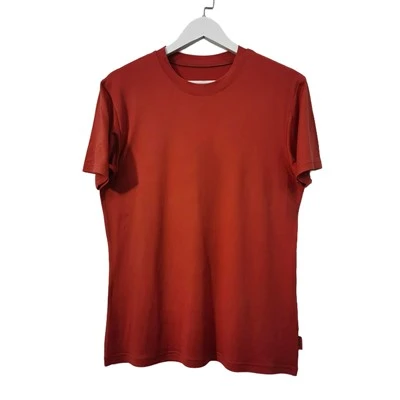
So, to circle back to the original question: Is outdoor sportswear odor-resistant? The short answer is: the good kind is. Not all of it, but the gear that’s built with intentional fabric science, focused on wicking sweat and slowing bacterial growth, is designed to keep odor at bay for dozens of uses, as long as you care for it properly. The marketing hype that says “odor-proof” is just that—hype. But when you cut through the sales jargon, there’s real science behind the gear that’s actually worth your money.
Outdoor Sportswear If you’re a retailer, outdoor gear shop, or bulk buyer looking for sportswear that delivers on that real, science-backed odor control—no empty claims, no harsh chemicals, no short-term performance—we’d love to talk. We work with partners across North America and Europe, crafting gear for hikers, runners, climbers, and campers, built to perform when you’re out on the trail. Reach out to our team to learn more about our current lines, custom options, or bulk pricing for your shop. Trust me, we’ve spent years refining this, and we’re ready to help you bring gear that doesn’t just look good—it works, even when you’re pushing your limits.
References
- Perera, K. et al. (2020). Antimicrobial Properties of Textile Materials: A Review. Journal of Textiles and Polymers, 8(2), 45-58.
- Gibbs, S. G. et al. (2019). Sweat Retention and Odor Production in Technical Athletic Fabrics. International Journal of Clothing Science and Technology, 31(4), 512-525.
- World Health Organization (2021). Silver in the Environment: Human Health and Ecological Risks. WHO Press.
- Morina, G. et al. (2018). Merino Wool as a Functional Fabric for Athletic and Outdoor Apparel. Textile Research Journal, 88(15), 1745-1758.
- European Commission (2022). Sustainability in Technical Textiles: Regulatory Frameworks and Best Practices. EU Directorate-General for Environment.
Yancheng Dezhiwang Garments Co., Ltd.
As one of the most professional outdoor sportswear manufacturers and suppliers in China, we also support customized service. We warmly welcome you to wholesale bulk high quality outdoor sportswear in stock here from our factory. For price consultation, contact us.
Address: No. 1, Xinglong Road, Xinqiao Village, Fucheng Subdistrict, Funing County, Yancheng City, Jiangsu Province, China
E-mail: ntchenguangxi@163.com
WebSite: https://www.dzwoutdoor.com/
