Hey there! I’m a supplier of home energy storage systems, and I often get asked how these systems perform during peak demand periods. Well, let’s dive right into it. Home Energy Storage System
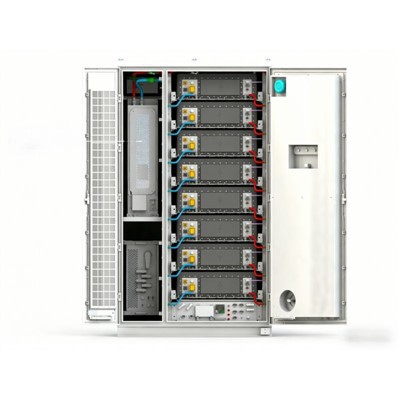
First off, what are peak demand periods? These are times when the overall electricity usage in a region spikes. It usually happens on really hot summer days when everyone’s running their air – conditioners full blast, or on cold winter evenings when heaters are working non – stop. During these times, the power grid can get overwhelmed, and that’s where home energy storage systems come in super handy.
So, how do they perform? Well, one of the key features of a good home energy storage system is its ability to store excess electricity. Most of these systems are designed to work in conjunction with solar panels. During the day, when the sun is shining bright, the solar panels generate electricity. Some of this electricity is used to power your home, and the excess is stored in the energy storage system.
When peak demand periods roll around, the stored energy can be used to power your home. This means you’re not relying solely on the grid. For example, let’s say it’s a sweltering summer afternoon, and the grid is under a lot of stress. Your air – conditioner is gobbling up electricity like there’s no tomorrow. But with a home energy storage system, you can use the stored power to keep your house cool without putting additional strain on the grid.
Another great thing about these systems is that they can save you money. During peak demand periods, electricity prices usually skyrocket. Utility companies often implement time – of – use pricing, where the cost per kilowatt – hour is much higher during peak hours. By using the energy stored in your home energy storage system, you can avoid paying these high prices. You’re essentially using your own "bank" of electricity that you "deposited" during off – peak times.
But it’s not just about saving money and helping the grid; it’s also about reliability. In some areas, during peak demand, there’s a risk of power outages. A well – functioning home energy storage system acts as a backup power source. It can automatically kick in when the grid goes down, ensuring that your essential appliances, like your fridge, lights, and even your medical equipment if you have any, keep running.
Now, there are a few factors that can affect how well a home energy storage system performs during peak demand. The capacity of the system is a big one. If you have a small – capacity system, it might not be able to meet all your energy needs during a long peak – demand period. You need to figure out how much energy your home typically uses during these times and choose a system with an appropriate capacity.
The efficiency of the storage system also matters. A more efficient system can store and release energy with less loss. This means that more of the electricity you collect from your solar panels or other sources actually gets used during peak demand.
The type of battery used in the system is another crucial factor. Different batteries have different characteristics. For instance, lithium – ion batteries are popular because they have a high energy density, which means they can store a lot of energy in a relatively small space. They also have a long lifespan and are quite efficient. On the other hand, lead – acid batteries are cheaper but have a lower energy density and a shorter lifespan.
Let me share a real – life example. I had a customer who lived in a neighborhood where power outages were common during peak summer months. They installed a home energy storage system with a decent capacity and lithium – ion batteries. During a recent heatwave, while many of their neighbors were sweating it out in the dark, their home stayed cool and comfortable. The energy storage system kept their air – conditioner running, and they didn’t have to worry about food spoiling in their fridge.
If you’re thinking about getting a home energy storage system, it’s important to do your research. Look at different models, compare their features, and read reviews from other customers. You also need to consider the installation process. A professional installation is crucial to ensure that the system works properly and safely.
As a supplier, I can tell you that we’re constantly working on improving these systems. We’re looking for ways to increase their capacity, improve their efficiency, and make them more affordable. We’re also exploring new battery technologies that could offer even better performance.
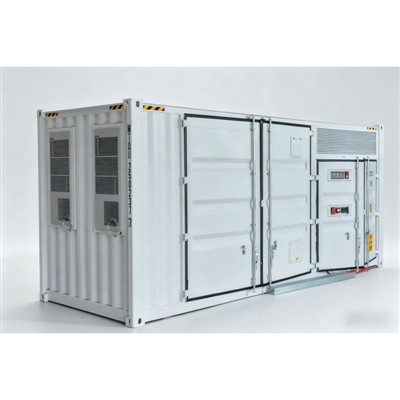
In conclusion, a home energy storage system can perform really well during peak demand periods. It can save you money, help the grid, and provide reliable power when you need it most. If you’re interested in learning more about our home energy storage systems or want to discuss your specific needs, just reach out. We’d be more than happy to have a chat with you and see how we can help you get the most out of your home energy usage. Whether you’re a homeowner looking to cut down on your electricity bills or someone who wants to be more prepared for power outages, we’ve got solutions for you. So, don’t hesitate to start this energy – saving journey with us.
TUV Solar Cable References
- Various industry reports on home energy storage systems
- Customer testimonials and case studies
Tianjin Xilingke New Energy Technology Co., Ltd.
As one of the most professional home energy storage system manufacturers and suppliers in China, we’re featured by quality products and low price. Please rest assured to wholesale durable home energy storage system made in China here from our factory. For quotation, contact us now.
Address: Suite 2601, Tower B, Wanghai International, Haihe East Road, Hebei District, Tianjin, China.
E-mail: robin@sinelinkev.com
WebSite: https://www.sinelinkenergy.com/
