Hey there! I’m a supplier of FRP tent poles, and today I’m gonna share with you how to install FRP tent poles. Whether you’re setting up a small camping tent or a large event tent, these steps will help you get the job done right. FRP Tent Pole
1. Gather Your Tools and Materials
First things first, you need to make sure you have all the tools and materials you need. Here’s a list of what you’ll typically require:
- FRP tent poles: Obviously, you’ll need the poles themselves. Make sure you have the right number and length for your tent.
- Tent fabric: This is the material that will cover the poles and form the tent structure.
- Ropes and stakes: These are used to secure the tent to the ground and keep it stable.
- A mallet or hammer: You’ll need this to drive the stakes into the ground.
- A measuring tape: This can be handy to ensure the poles are the right length and the tent is set up correctly.
2. Prepare the Ground
Before you start installing the poles, you need to prepare the ground. Find a flat and level area where you want to set up the tent. Remove any rocks, sticks, or other debris that could damage the tent fabric or interfere with the installation. If the ground is soft, you might want to lay down a ground cloth or tarp to provide a more stable surface.
3. Unpack and Inspect the Poles
Once you have the ground ready, unpack the FRP tent poles and inspect them for any damage. Check for cracks, splinters, or other defects. If you find any issues, contact your supplier right away. It’s better to address these problems before you start the installation.
4. Assemble the Poles
Most FRP tent poles come in sections that need to be assembled. Start by laying out the sections in the order they need to be connected. Look for the markings or connectors on the poles to ensure they fit together correctly. Some poles may have a male and female end, so make sure you match them up properly.
To connect the sections, simply push them together firmly. You may need to apply a little pressure, but be careful not to force them too hard and damage the poles. If the poles have a locking mechanism, make sure it’s engaged to keep the sections securely connected.
5. Insert the Poles into the Tent
Now that the poles are assembled, it’s time to insert them into the tent. Look for the pole sleeves or channels on the tent fabric. These are usually sewn into the fabric and are designed to hold the poles in place.
Start by inserting one end of the pole into the sleeve at one corner of the tent. Then, carefully thread the pole through the sleeve until it reaches the other corner. Repeat this process for all the poles. Make sure the poles are straight and evenly spaced.
6. Raise the Tent
Once all the poles are inserted into the tent, it’s time to raise the tent. This can be a two-person job, especially for larger tents. One person can hold the tent up while the other person secures the poles and ropes.
Start by lifting the tent up from the center and gradually work your way out to the corners. As you raise the tent, make sure the poles are standing upright and the tent fabric is taut. You may need to adjust the position of the poles to get the tent to stand properly.
7. Secure the Tent with Ropes and Stakes
Once the tent is raised, it’s important to secure it with ropes and stakes. This will help keep the tent stable and prevent it from blowing away in the wind.
Start by attaching the ropes to the corners and sides of the tent. Make sure the ropes are tight and secure. Then, use the mallet or hammer to drive the stakes into the ground at an angle. The stakes should be driven deep enough to hold the tent firmly in place.
Adjust the tension of the ropes as needed to keep the tent taut and level. You may also want to use additional stakes or guy lines for extra stability, especially in windy conditions.
8. Check for Stability
After you’ve secured the tent, take a few minutes to check for stability. Walk around the tent and gently shake it to make sure it’s firmly anchored to the ground. If you notice any movement or instability, adjust the ropes and stakes as needed.
It’s also a good idea to check the tension of the tent fabric. If it’s too loose, the tent may not be as stable and could sag in the middle. If it’s too tight, the fabric could tear or the poles could break.
9. Make Any Necessary Adjustments
Once you’ve checked for stability, make any necessary adjustments to the tent. This could include tightening the ropes, adjusting the position of the poles, or adding additional stakes.
If you’re having trouble getting the tent to stand properly, don’t be afraid to ask for help. You can also refer to the tent’s instruction manual or contact the manufacturer for assistance.
10. Enjoy Your Tent!
Now that you’ve successfully installed the FRP tent poles and set up your tent, it’s time to enjoy it! Whether you’re camping in the great outdoors or hosting an event, your tent should provide a comfortable and sheltered space.
Remember to take good care of your tent and the FRP poles. Keep them clean and dry, and store them properly when not in use. This will help extend their lifespan and ensure they’re in good condition for your next adventure.
Why Choose FRP Tent Poles?
Before I wrap up, I want to talk a bit about why FRP tent poles are a great choice. FRP, or fiberglass-reinforced plastic, is a strong and lightweight material that offers several advantages over traditional tent poles.
- Strength and Durability: FRP poles are incredibly strong and can withstand a lot of stress and pressure. They’re resistant to bending, breaking, and corrosion, making them ideal for use in all types of weather conditions.
- Lightweight: Unlike metal poles, FRP poles are lightweight and easy to carry. This makes them a great choice for camping and other outdoor activities where you need to transport your tent.
- Flexibility: FRP poles are flexible, which means they can bend without breaking. This allows them to adapt to different terrain and weather conditions, providing a more stable and comfortable tent structure.
- Cost-Effective: FRP poles are generally more cost-effective than metal poles. They offer a good balance of strength, durability, and affordability, making them a popular choice for both casual campers and professional event organizers.
Contact Us for Your FRP Tent Pole Needs
If you’re in the market for high-quality FRP tent poles, I’d love to hear from you. As a supplier, I offer a wide range of FRP tent poles in different sizes and configurations to meet your specific needs.
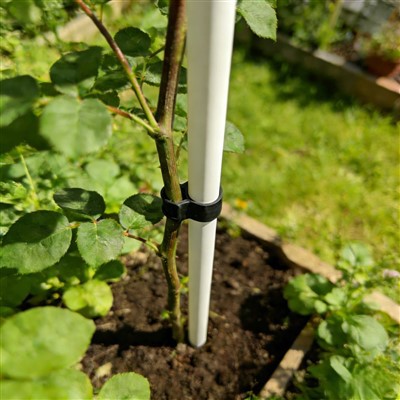
Whether you’re looking for poles for a small camping tent or a large event tent, I can provide you with the right products at competitive prices. I also offer excellent customer service and support, so you can be confident that you’re making the right choice.
Plant Support Systems To learn more about our FRP tent poles or to discuss your requirements, please feel free to reach out to us. We’re here to help you find the perfect solution for your tenting needs.
References
- "Tent Setup Guide" – OutdoorGearLab
- "How to Install Tent Poles" – REI Co-op
- "FRP Tent Poles: A Comprehensive Guide" – Fiberglass Supply Inc.
Yizheng Wanteng Composites Co., Ltd.
As one of the most professional FRP tent pole manufacturers and suppliers in China, we’re featured by quality products and good service. Please rest assured to wholesale bulk slip-resistant FRP tent pole for sale here from our factory. Contact us for pricelist.
Address: No. 20 Longyi Road, Qingshan Town Industrial Park, Yizheng City, Jiangsu Province, China
E-mail: mark@wantfrp.com
WebSite: https://www.wantfrp.com/
