If you’ve ever scrubbed into surgery, sat through a routine blood draw, or handed a kid a lollipop after a flu shot, you’ve probably never thought twice about the little plastic, fabric, or paper items that make those moments possible. But as someone who’s been on the general medical disposables side of this for over 8 years—working directly with clinics, small hospitals, and even urgent care centers across the Midwest—I can tell you: those “random” disposable gloves, syringes, or wound dressings aren’t just random. They’re specifically built for the job, and if we (as suppliers) didn’t get that right, medical teams would be scrambling mid-procedure, or worse, putting patients at risk. General Medical Disposables
A lot of people new to the medical supply world think all disposables are the same. Like, why not buy one kind of glove for every task? But let’s break it down: if a nurse is drawing blood from a 92-year-old with thin, fragile arms, they need a glove that’s super thin so they can feel the vein, but still thick enough to not tear when they grab a vial. On the flip side, if a surgical tech is handling sharp tools for 3 hours straight, they need a glove that’s puncture-resistant enough so a scalpel nick doesn’t expose them to a patient’s blood. That’s not a trivial difference. Those choices? They’re why I get on the phone with every new clinic client to ask not just “how many units do you need?” but “what kind of procedures do you do day-to-day?”
Let’s start with the most versatile disposable out there: gloves. I used to think gloves were gloves until a midwife client of mine pulled me aside during a visit a few years back and schooled me. She said midwifery is 90% feeling—feeling a baby’s head, monitoring contractions, checking a mom’s vitals mid-labor. If she wears a latex glove (and 1 in 10 people have a latex allergy, so we don’t even stock those as a standard anymore), the stretch makes it hard to feel small changes. Nitrile gloves, which are our go-to now, come in so many variants. We have 5-milligram-thin nitrile for phlebotomy, where dexterity is everything, 8-milligram for minor surgery, and even textured nitrile for when someone’s handling slippery tools. And we always make sure to stock powder-free options because even the tiny bit of powder on old gloves can irritate a patient’s wound or cause an allergic reaction. I still remember when a small urgent care in Toledo switched to our specialty phlebotomy gloves—their phlebotomists emailed me a group photo a week later, all holding up their “great veins found easier” notes. That’s the stuff that makes the job worth it.
Next up, the unsung heroes: syringes and needles. Again, not one size fits all. For insulin pens that a type 1 diabetic uses daily, the needle is 4mm long and super thin (31-gauge) because you’re injecting into fat under the skin, and a longer needle would hurt way more. But for a kid who needs a flu shot, a 25-gauge needle works better because it’s a little thicker, so it goes through skin faster, and the kid barely feels it. Wait, and don’t get me started on contrast media syringes for radiology. Those are big, rigid, and have a locking tip because when they push 100cc of dye into a patient’s arm during a CT scan, you don’t want the syringe to slip or the tip to come loose. We recently worked with a radiology group that was using regular syringes for contrast and had 3 slips in a month—switched to our contrast-specific ones, and they haven’t had a single issue since. It’s not just about size; it’s about what the material can handle. A regular syringe can’t withstand the pressure needed for that kind of high-volume injection, so we have to specify them for that exact procedure.
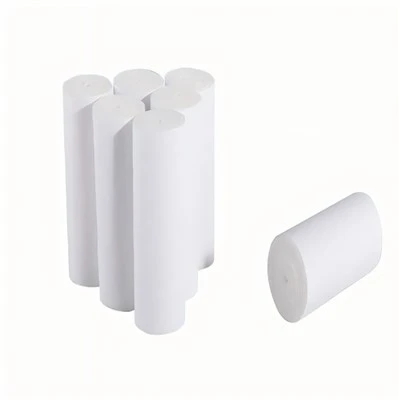
Wound care is another area where disposables get super tailored, and it’s something a lot of people don’t realize. For a post-surgical incision that’s fresh (like 3 days old), you need a non-stick gauze—wait, no, actually a Telfa pad, because if you use regular cotton gauze, the threads stick to the healing wound and cause more pain when you change it. But for a wound that’s chronic, like a diabetic ulcer that oozes a lot, you need an absorbent foam dressing that pulls the moisture away from the skin so it doesn’t get infected. And for a burn? A silver-impregnated dressing that kills bacteria, because burns are way more prone to infection. I had a home health nurse reach out last year saying her patient with a stage 3 pressure ulcer was getting worse because the clinic was sending the wrong gauze—switched her to our absorbent foam, and she came back a month later saying the wound was 50% smaller. That’s why I don’t just ship boxes and walk away. I follow up to make sure the stuff I sent is actually working for their specific patients.
Then there’s the stuff people might not even name as “disposables” but are totally integral: surgical drapes, for example. For a knee replacement, you need a drape that’s waterproof but also breathable, because the patient is under anesthesia and can’t regulate their temp, and you don’t want fluid seeping onto the sterile field. But for a colonoscopy, you need a drape that has a specific hole cut out to hold the scope, so the medical team doesn’t have to fumble with holding it in place while they work. And mask protocols? Wait, not all masks are the same. A regular procedure mask for a doctor’s visit is fine for a sore throat, but a N95 is for someone doing aerosol-generating procedures, like intubating a patient in the ER. We had a lot of people confused early in the pandemic about that, and I spent hours on calls explaining that sending N95s to a pediatric clinic for routine checkups was a waste, and sending regular procedure masks to the ICU was a safety risk. Education is half the battle here.
I can’t talk about this without mentioning the pandemic, honestly, because that’s when I learned how much adaptability matters. Early on, everyone was panicking about gloves and masks, but we had a small hospital that told us they were doing a lot of pediatric intubations and needed masks that were easier for kids to tolerate. We didn’t have a specific pediatric mask line, so we worked with our manufacturer to adjust the ear loops (make them softer, wider so they don’t dig into a kid’s small ears) and the fit (slightly smaller nose bridge so it doesn’t press on a kid’s soft face). We got a test batch, and the hospital said the kids were way less fussy, and their medical teams didn’t have to readjust masks every 5 minutes. That’s the kind of customization that makes disposables work for procedures, not against them.
Another thing a lot of new suppliers don’t get: it’s not just about what the disposable is, but when it’s used. For example, emergency procedures vs. elective procedures. If someone’s having a heart attack in an ambulance, the paramedic doesn’t have time to hunt for a needle that fits—they need a pre-attached needle and syringe for an EKG, right there, ready to use, sterile, and pre-packaged so it doesn’t take extra steps. That’s a specific disposable we stock exclusively for emergency medical services, because elective procedures don’t need that kind of fast, no-fuss prep. It’s about anticipating the workflow, not just the task.
I know some people think all this is overcomplicating, but when your job is to keep patients safe and medical teams able to do their jobs well? It’s not overcomplicating. It’s why I show up to trade shows not with a list of products, but with a notebook full of stories from clients about what’s frustrating them. Last month, a podiatrist told me their current gauze was too thin for toenail removal, and the blood seeped through. We ended up sending them a sample of our thicker, absorbent non-stick gauze, and they placed an order that week. Little fixes like that add up.
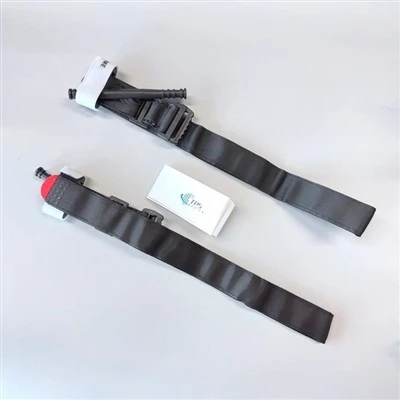
Now, if you’re a clinic manager, hospital buyer, or anyone who’s tired of dealing with disposables that don’t work for your procedures—if you’ve ever had a glove tear mid-suture, a gauze stick to a wound, or a syringe that’s the wrong length for your patients—this is where you come in. I’m not just here to sell you disposables; I’m here to listen to what you actually need for the procedures you do, whether that’s routine phlebotomy, major surgery, home health care, or pediatric care. We can work together to figure out the right products, no one-size-fits-all, no guesswork. Just reliable disposables that fit your exact workflow and keep your patients safe. If you’re ready to stop settling for disposables that don’t work, reach out to start a conversation—no pressure, no sales pitch, just figuring out what you need.
Medical Disposables References:
- World Health Organization. (2021). Medical Device Regulation: General Medical Disposables and Patient Safety. Geneva: WHO Press.
- American Society for Testing and Materials. (2022). Standard Guide for Selection of Disposable Medical Gloves for Clinical Procedures. West Conshohocken, PA: ASTM International.
- Wound Care Society of America. (2023). Clinical Practice Guidelines for Disposable Wound Care Products. Dallas: WCSA Publications.
- Occupational Safety and Health Administration. (2020). Bloodborne Pathogens Standard: Protective Equipment Requirements for General Medical Procedures. Washington, DC: U.S. Department of Labor.
Hangzhou Tuopusi Medical Products Co., Ltd.
As one of the most professional general medical disposables manufacturers and suppliers in China, we offer a wide range of products with superior quality. Please feel free to wholesale bulk customized general medical disposables at competitive price from our factory. Also, free sample is available.
Address:
E-mail: sales@tpsmedic.com
WebSite: https://www.medressing.com/
