Hey there, I’m Jesse, and I’ve been working in the PP woven cloth supply space for over a decade now. If you’ve ever ordered bulk packaging materials, agricultural coverings, or construction silt barriers, chances are you’ve run into my products—we ship PP woven rolls and finished goods to clients across North America, and one question I get asked more than any other is: “How long does PP woven cloth actually last?” It’s a fair question, especially when you’re investing in something that’s supposed to protect your goods for months, if not years. I’ve seen too many buyers make decisions based on vague guesses or half-truths from generic Google posts, so today I’m breaking this down with real-world data, on-the-job experience, and answers you can trust. PP Woven Cloth
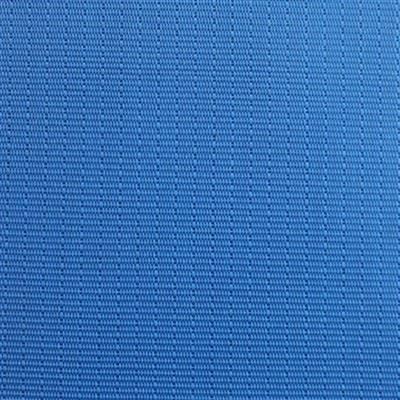
First, let’s get one thing straight: PP woven cloth isn’t a one-size-fits-all product. Its lifespan depends entirely on the conditions it’s exposed to, the grade of resin used to make it, and whether it’s been treated with any additional additives. Let’s start with the basics: PP stands for polypropylene, a thermoplastic polymer that’s prized for its strength, flexibility, and resistance to moisture, mildew, and many chemicals. Unlike natural fibers like cotton or burlap, which rot in wet conditions, PP’s molecular structure doesn’t break down easily from organic decay—but that same property is why it can persist in landfills for centuries if not recycled. But we’re not talking about landfill life here; we’re talking about functional lifespan, the time it actually serves the purpose you bought it for.
Let’s talk about the two core factors that dictate that functional lifespan: grade and treatment. When we manufacture PP woven cloth, we offer three main grades for different use cases, each with very different lifespans. The first is standard grade PP woven cloth, made with 100% virgin polypropylene resin, no extra additives. This is the workhorse for short-term applications: things like temporary packaging for shipping parts, lightweight garden row covers that only need to last a growing season, or temporary construction dust barriers. I’ve seen standard grade hold up for 12 to 18 months in indoor, low-stress environments, like being wrapped around stacked pallets in a climate-controlled warehouse. Outdoors, though? It’s only 6 to 12 months, max. Why? Because standard virgin PP has zero UV stabilization. Sunlight is the biggest enemy of PP woven cloth—its UV rays break down the polymer chains, turning the cloth brittle, fading it, and making it tear under even light tension.
That’s where the second grade comes in: UV-stabilized PP woven cloth, which is the most common product we sell for outdoor use. We add UV stabilizer masterbatches during the extrusion process—small amounts of chemical compounds that absorb or reflect UV radiation, preventing it from breaking down the PP structure. Depending on the concentration of that stabilizer, we can tweak the lifespan for different jobs. For example, our standard UV-stabilized grade, which is used for things like agricultural shade cloth, temporary silt fences, or seasonal pool covers, lasts 2 to 3 years when exposed to direct sunlight. I just had a client in Iowa use our 3-year UV grade for a grain storage cover in 2021, and when he swapped it out last fall, he told me it still had 90% of its original tensile strength—no major tears, just a little fading from 2 years of Midwestern sun and snow.
Then there’s our heavy-duty, high-stabilization UV grade, for applications that need to last longer: permanent construction runoff covers, long-term aquaculture netting, or large-scale agricultural mulch films that stay in place for 5+ growing seasons. This grade uses 5% to 7% UV stabilizer, double the amount of our standard UV grade, and it’s mixed with high-purity virgin resin to avoid weak spots from recycled content. We’ve tested this grade in our own lab (we have a small in-house testing facility to pull tensile strength before every shipment) and it holds up to 5 to 7 years of continuous outdoor exposure. We had a utility company out in Arizona test a sample roll of our 7-year UV grade back in 2019; when they pulled it last year for a line upgrade, they said it still functioned as well as the day they installed it. The Arizona desert’s intense sunlight would have chewed through standard grade in 6 months, so that’s the power of proper stabilization.
Wait, but what about recycled PP woven cloth? A lot of cheaper suppliers push recycled PP as a budget option, but you get what you pay for. Recycled PP is made from post-consumer or post-industrial plastic, which often has degraded molecular structure from its first use, plus it rarely has any UV stabilization. I’ve had clients come to me after buying cheap recycled rolls from a big-box hardware store that tore apart in a single summer. Typically, recycled PP woven cloth lasts 3 to 6 months outdoors, and 12 to 18 months indoors—if you can even call it functional after that. It’s fine for one-time, low-stakes uses, like wrapping a single pallet for a local move, but never for long-term or outdoor applications.
Now, let’s talk about the other factors that mess with lifespan: use conditions and maintenance. Even the best UV-stabilized grade won’t last its full lifespan if it’s being abused. For example, if you’re using PP woven cloth for a silt fence along a construction site, constant rubbing against rebar, dirt, and sharp equipment will wear holes in it long before UV rays do. We always tell construction clients to add 6 inches of overlap at the posts and avoid dragging the cloth over rough, sharp surfaces to extend its life. For agricultural uses, if you’re covering hay bales or grain, keeping the cloth free of standing water prevents mildew (yes, even PP can hold moisture against it, and trapped moisture can weaken the fibers over time) and stops small animals from chewing through it.
Temperature also plays a role. PP is fairly temperature-resistant, but extreme cold can make it brittle. I live in Minnesota, so I’ve tested our cloth in -20°F winters and 90°F summers here, and the UV grades hold up fine, but standard grade will get stiff and brittle in cold weather, so it’s more likely to tear if you’re installing it in northern climates. We always recommend a grade with extra stabilization for clients in the Northern Plains or Canada, where freeze-thaw cycles are common.
Let me also clear up a common myth: PP woven cloth doesn’t “expire” like food, but it does have a shelf life before it’s installed. If you buy a roll of standard grade PP and leave it stored in a hot, sunny warehouse for 2 years before using it, it’s already lost a significant amount of its tensile strength by the time you unroll it. We recommend storing PP woven cloth in a cool, dry, shaded area, and using it within 12 months of production for the best performance. UV-stabilized cloth, if stored properly, can last up to 3 years unopened, but beyond that, the stabilizers will start to break down even without sunlight.
So let’s sum this up with real numbers, based on 10 years of data from our shipments and client feedback:
- Standard grade PP woven cloth (no UV stabilization): 12–18 months indoor, 6–12 months outdoor
- Standard UV-stabilized grade (3-year outdoor rating): 18–24 months indoor, 2–3 years outdoor
- Heavy-duty high-stabilization UV grade (7-year outdoor rating): 18–24 months indoor, 5–7 years outdoor
- Recycled PP woven cloth: 12–18 months indoor, 3–6 months outdoor
Of course, these are averages. I’ve had a client in Florida use our 7-year grade for a boat cover that lasted 8 years, thanks to regular cleaning and minor repairs, and I’ve also had a client in Texas whose standard grade silt fence tore in 3 months because a bulldozer dragged a chain across it. It’s not an exact science, but these ranges are a reliable starting point if you’re planning your project timeline and budget.
Now, why does this matter to you as a buyer? If you’re ordering PP woven cloth for a $10,000 construction project, skimping on a cheaper recycled roll that only lasts 3 months means you’ll have to replace it mid-project, delaying work and wasting money. Investing in the right grade for your use means one installation, no rework, and peace of mind. That’s what I’ve always told my clients—we don’t sell rolls of plastic, we sell solutions that fit their timelines and budgets.
At the end of the day, the lifespan of PP woven cloth isn’t some secret held by suppliers like me—it’s a product of material science, manufacturing choices, and the conditions it lives in. I’ve spent years refining our product lines to match real-world needs, not just hype, because I know that when my clients win, we win too.
If you’re not sure which grade is right for your project, if you need a sample to test, or if you’re ready to place an order, don’t hesitate to reach out for a detailed consultation. We’ll walk through your timeline, environment, and use case to make sure you get a PP woven cloth that lasts exactly as long as you need it to.
PP Woven Cloth References
ASTM International. (2018). Standard Test Method for Tensile Properties of Geotextiles by the Wide-Width Strip Method (D4595).
Plastics Europe. (2020). Polypropylene (PP) Application Guide: Packaging, Agriculture, and Construction.
National Agricultural Statistics Service. (2021). Agricultural Covering Material Performance Study, Midwestern United States.
Nanping Kingway New Material Co., Ltd.
As one of the most professional pp woven cloth manufacturers and suppliers in China, we also support customized service. With abundant experience, we warmly welcome you to wholesale durable pp woven cloth in stock here from our factory. If you have any enquiry about pricelist, please feel free to email us.
Address: No. 10, Chengnan Branch Road, Chengjiao Town, Nanping, Fujian, China.
E-mail: npjwxcl@aliyun.com
WebSite: https://www.suernew.com/
